Søkeordtetthet-sjekk
Check how often important terms appear inside your content. Use this free SEO tool to simplify daily optimization, improve page quality, and build a cleaner workflow for search visibility.
Use the toolCheck how often important terms appear inside your content. Use this free SEO tool to simplify daily optimization, improve page quality, and build a cleaner workflow for search visibility.
Use the toolPaste a URL, page text, keyword list, metadata, or SEO notes below. The lightweight checker gives a quick review you can use before doing a deeper manual audit.
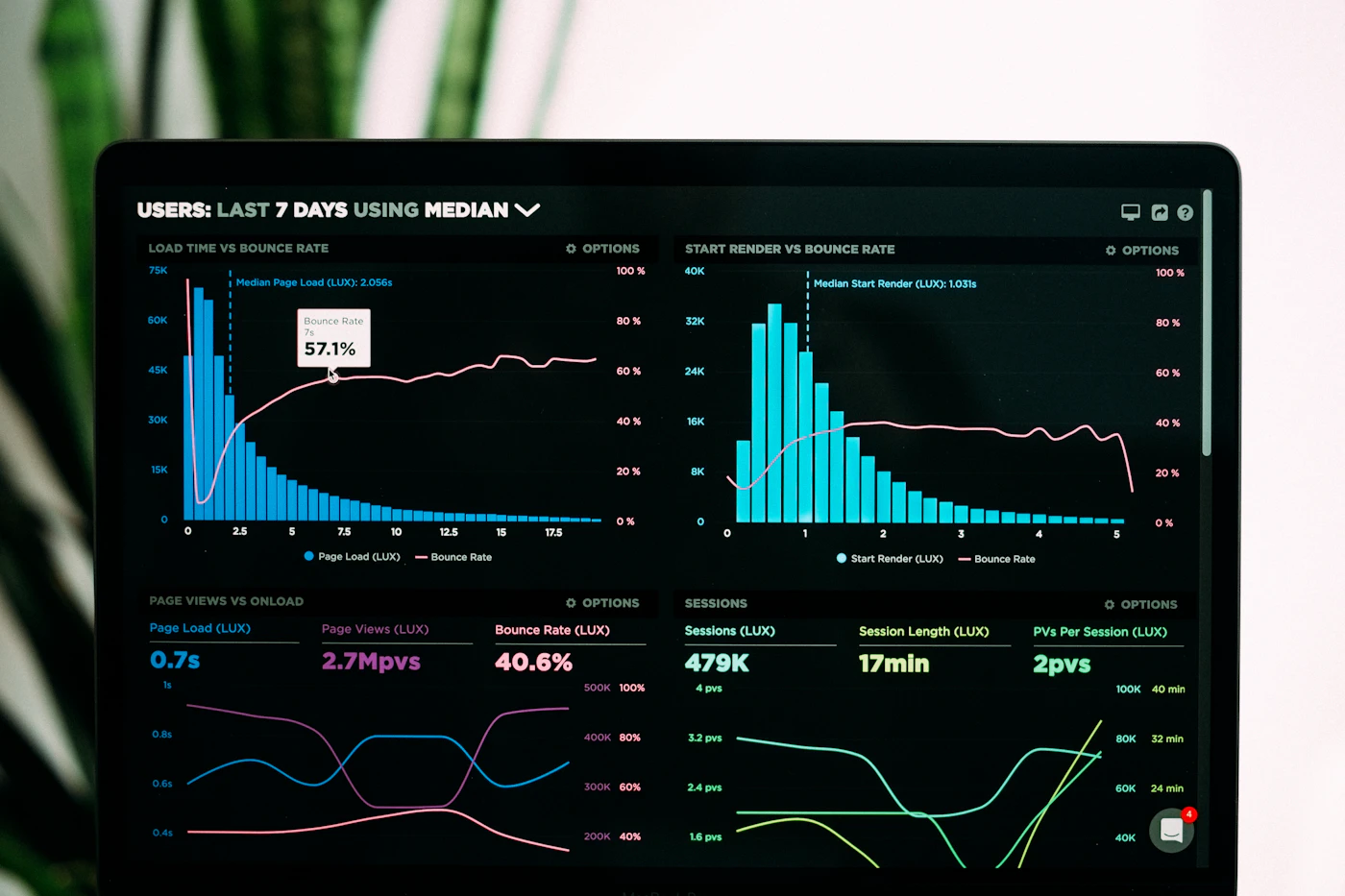
Søkeordtetthet-sjekk is a practical SEO utility created to make website optimization faster, clearer, and more repeatable. Instead of guessing what should be improved, the tool gives you a structured way to review important signals and turn them into useful actions. SEO works best when technical quality, content relevance, search intent, and user experience support each other, and this page helps you understand that workflow.
Every website has pages that deserve extra attention: the homepage, service pages, product categories, landing pages, blog posts, and pages that already receive impressions in search results. When those pages are checked regularly, small improvements can produce meaningful gains over time. The goal is not to chase a perfect score, but to remove friction for search engines and make the page more useful for visitors.
Search engines need to crawl, understand, index, and rank your content. If a page has confusing metadata, weak headings, duplicated text, broken links, poor keyword focus, missing structured data, or technical barriers, it may perform below its real potential. A focused tool like Søkeordtetthet-sjekk helps you review those areas before they become long-term SEO problems.
Start with one important URL or one clear content task. Paste your text, keyword list, page notes, or target URL into the tool area and run the check. Review the output as a starting point, then compare it with the real page. SEO tools are most useful when they support decisions, not when they replace human judgment.
| SEO area | What to check | Why it matters |
|---|---|---|
| Metadata | Titles and descriptions | Improves relevance and click-through rate |
| Innhold | Depth, uniqueness, headings, and intent | Helps users and search engines understand the page |
| Technical signals | Indexability, redirects, robots rules, and schema | Supports crawling and rich search results |
| Links | Internal links, external links, and backlinks | Builds context, discovery, and authority |
| User experience | Speed, layout, readability, and mobile usability | Keeps visitors engaged and reduces friction |
SEO is a system. A keyword may be perfect, but the page can still underperform if it loads slowly, has poor internal links, or does not answer the search intent. Review multiple signals together.
A page should match what the user expects to find. Informational searches need explanations, examples, and FAQs. Commercial searches need benefits, comparisons, proof, and clear next steps.
Competitor research is useful, but copying structure or text does not create value. Use competitors to understand the market, then create something clearer, more helpful, and more trustworthy.
Yes. It gives a simple starting point for understanding what to improve without requiring advanced SEO knowledge.
No single tool guarantees rankings. However, it can identify improvements that support better crawling, clearer relevance, and stronger user experience.
Use it when publishing new pages, updating old content, changing metadata, checking competitors, or reviewing pages that have lost traffic.
Yes. Combine it with keyword research, backlink analysis, SERP checks, technical audits, and analytics data for a complete SEO workflow.
Søkeordtetthet-sjekk helps transform SEO from a confusing checklist into a practical process. Use it to review pages, find opportunities, create better content, and connect your optimization work with measurable goals. The best SEO results usually come from steady improvements repeated over time: cleaner pages, stronger content, better links, and a website structure that makes sense to both people and search engines.